
Vizsla and Doberman: the Florida walk schedule
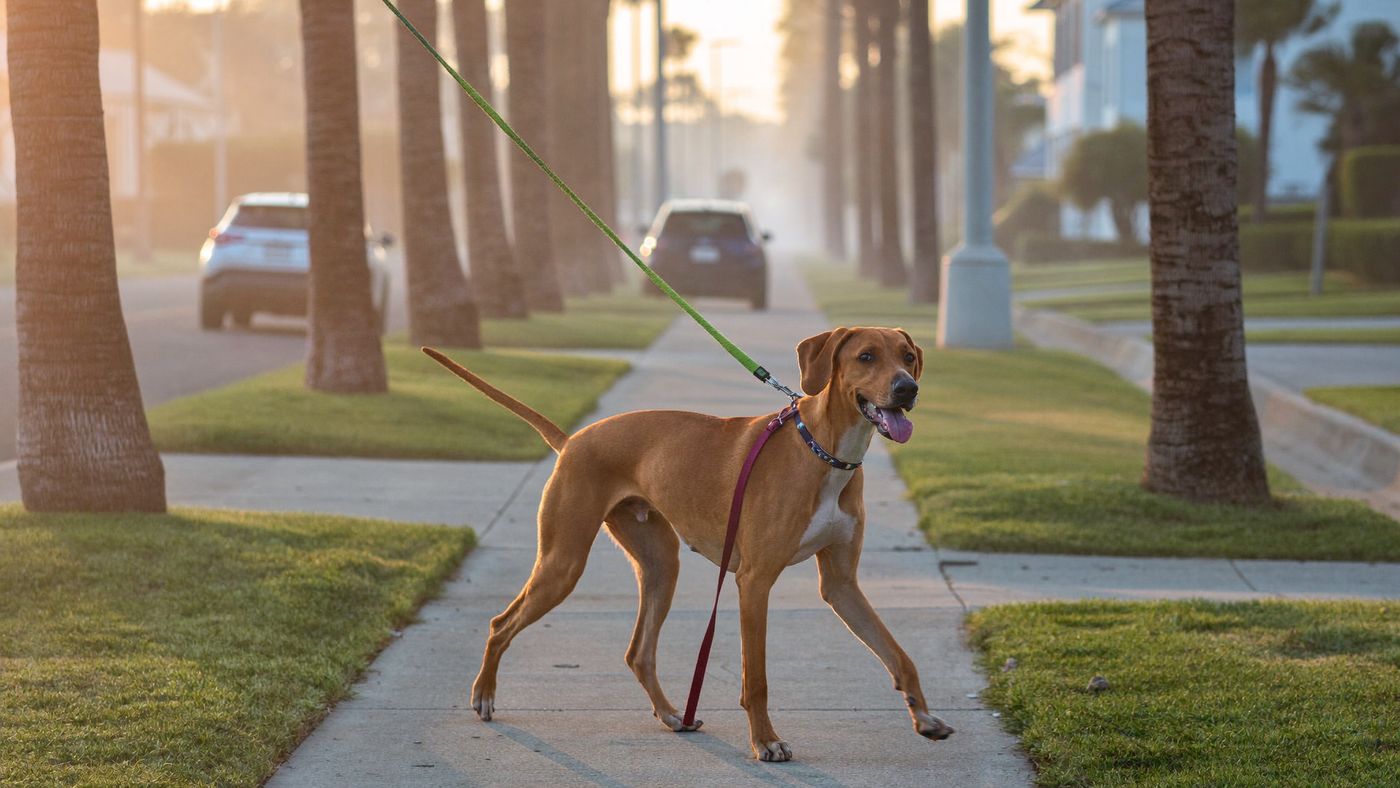
Vizsla and Doberman owners share a problem most breed guides skip: their dogs handle Florida's climate better than a French Bulldog ever will, but "better" isn't "immune." Both breeds are on the short list of heat tolerant options for South Florida. Short coats and long muzzles mean actual airflow when they pant, unlike a brachycephalic face fighting for every breath. That build difference matters. But athletic tolerance still has a ceiling, and Florida's humidity finds it faster than owners expect.
Why the build helps, and where it stops helping
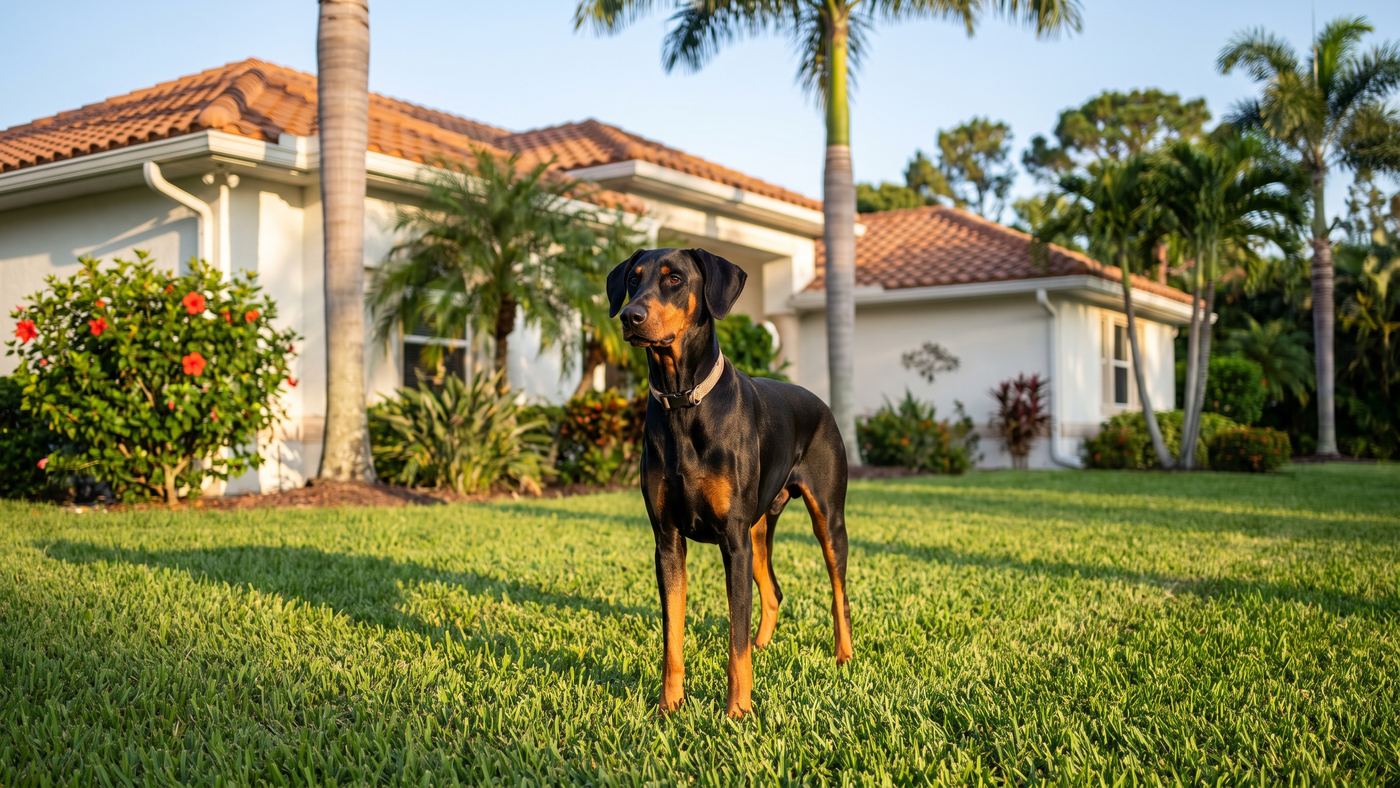
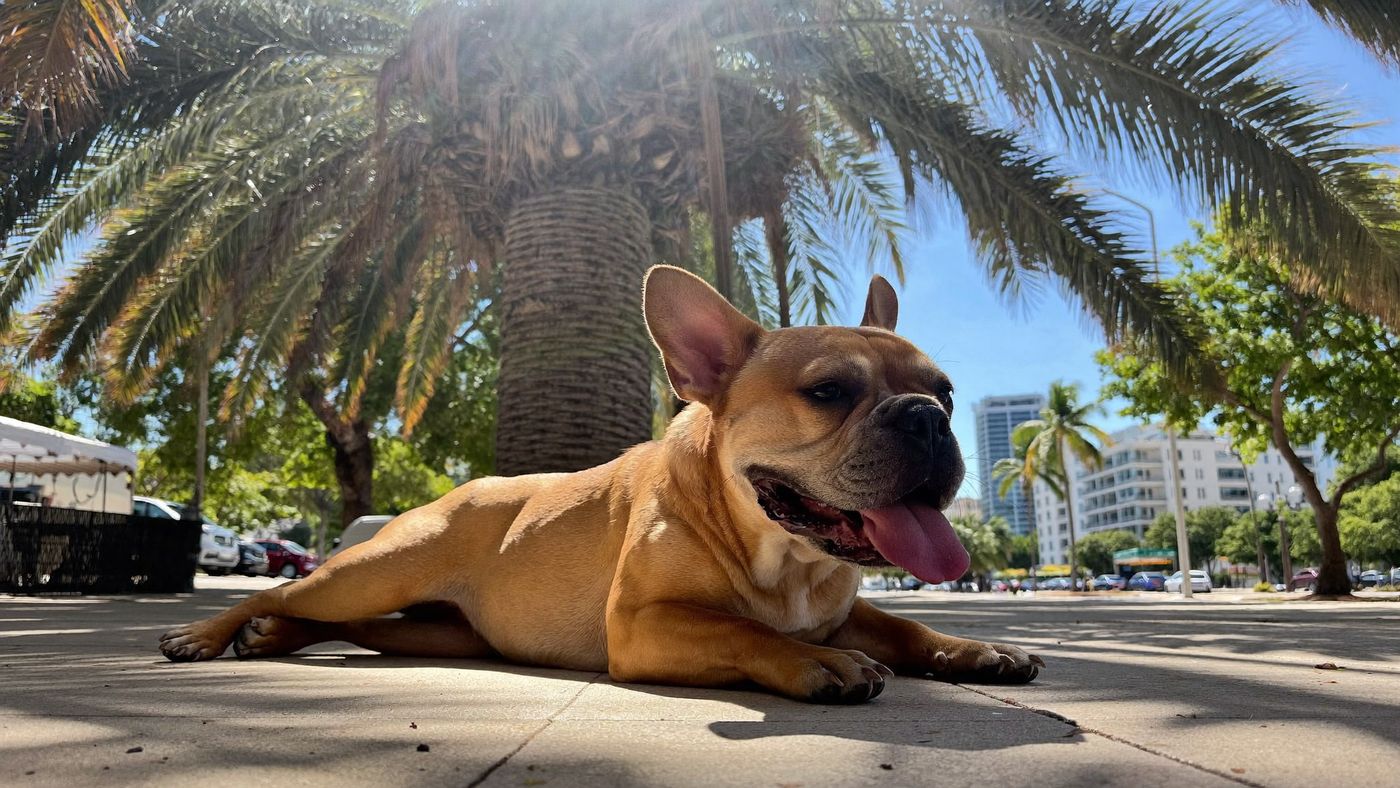
A Doberman Pinscher and a Vizsla land on the heat-tolerant list for the same physical reasons: short coats that shed heat instead of trapping it, and long muzzles that give the nasal passages more surface area to cool incoming air before it hits the lungs. Compare that to a French Bulldog, whose flattened face made bulldogs 14 times more likely to suffer heat exhaustion than Labradors in RVC and Nottingham Trent research. Vizslas and Dobermans aren't in that risk tier.
They're still dogs regulating body temperature almost entirely through panting. Panting works by evaporative cooling, and evaporative cooling stalls out once humidity climbs. Florida's combination of heat and moisture in the air can be more dangerous than a dry 95°F in Arizona, because pant-moisture has nowhere to go. Danger starts around 75°F with high humidity and turns serious past 80°F. Boca Midtowne Animal Hospital sees the result locally: dogs end up needing emergency care not from freak heat spikes, but from ordinary summer activity that crosses this threshold without anyone noticing.
A schedule that actually works
Two windows: early morning and late evening.
Early morning, before the heat builds. Pavement and grass haven't absorbed a full day of sun yet, and this is typically the coolest part of the day. This is the window for the real exercise, running, longer loops, anything that pushes heart rate up.
Evening, after sunset. Ground temperature drops faster than air temperature once direct sun is gone. A second, shorter walk here covers bathroom needs and burns remaining energy without asking the dog to work against the heat load built up all day.
Midday is off the table entirely, not shortened, skipped. If a walk has to happen during the hottest stretch of the day, keep it to a shaded bathroom break and nothing that reads as exercise.
Both breeds carry enough drive that owners underestimate how hard they're working relative to the conditions. A Vizsla pointing or a Doberman trotting at a working pace generates real internal heat on top of whatever the air is already doing. That's a different math problem than a low-energy breed ambling for the same stretch of time.
Bring water on every walk that runs longer than a quick loop, even the early one. Collapsible bowls are light enough that there's no reason not to carry one, and offering water regularly on a longer route keeps a dog from front-loading a big drink at the end when they're already overheated.
How do I know my Vizsla or Doberman is getting too hot, even in the "safe" morning window?
Watch for heavier panting than the pace justifies, bright red gums or tongue, slowing down or stopping to lie in shade, and loss of coordination. Any of those means stop and cool the dog down immediately, not push to finish the route. Bright red gums, loss of coordination, or collapse are [heatstroke](/blog/florida-heat/what-florida-vets-say-summer-dog-walking) territory: keep cooling the dog and call the nearest emergency vet right away.
Is a few minutes in the shade at midday actually risky for these breeds?
A short shaded bathroom break is fine. The risk climbs with duration and direct sun exposure, so the line is between a brief leash-out and anything that looks like a walk or a fetch session.
Does the short coat mean I can skip worrying about pavement heat?
No, paw pads don't care about coat length. Hot asphalt burns paws regardless of breed, so the same early-morning and evening rule applies to where the dog is walking, not just the air temperature.
How much water should I actually be carrying?
Enough for regular offers on anything longer than a quick loop. A collapsible bowl and a bottle covers most walks.
Owners who move the schedule instead of skipping the exercise get the outcome they actually want: a Vizsla or Doberman that's tired in the good way, not overheated in the bad one. The breed's stamina is real. It just needs the clock working with it instead of against it.
Discussion
Questions get answered here. Reading is open to everyone.
Every comment is read by an automatic check before it appears. Phone numbers, emails and offers of pet care go to a moderator instead of the page.
Sign in to join the discussion. Reading is open to everyone; posting, replying and voting need an account, which keeps the comments answerable to a real person. Sign in or create an account
- Nobody has said anything yet. If the article left a question open, ask it here and we will answer.