What vets say about walking dogs in Florida summer
· 26 views
Summer walking advice in South Florida is mostly folklore. Here is what published veterinary sources actually say, with names attached, and what it means for a dog living in Palm Beach County.
AVMA: walk in the cooler hours, not the hottest ones
The American Veterinary Medical Association puts it plainly: "Take walks, hikes, or runs during the cooler hours of the day," and skip the hottest parts of the day entirely. Its gut check: "if you're warm, the dog likely is much warmer." In Palm Beach County, June through September, that rules out midday. Early morning and evening are the walk windows.
Vets Now and The Kennel Club: test the pavement with your hand
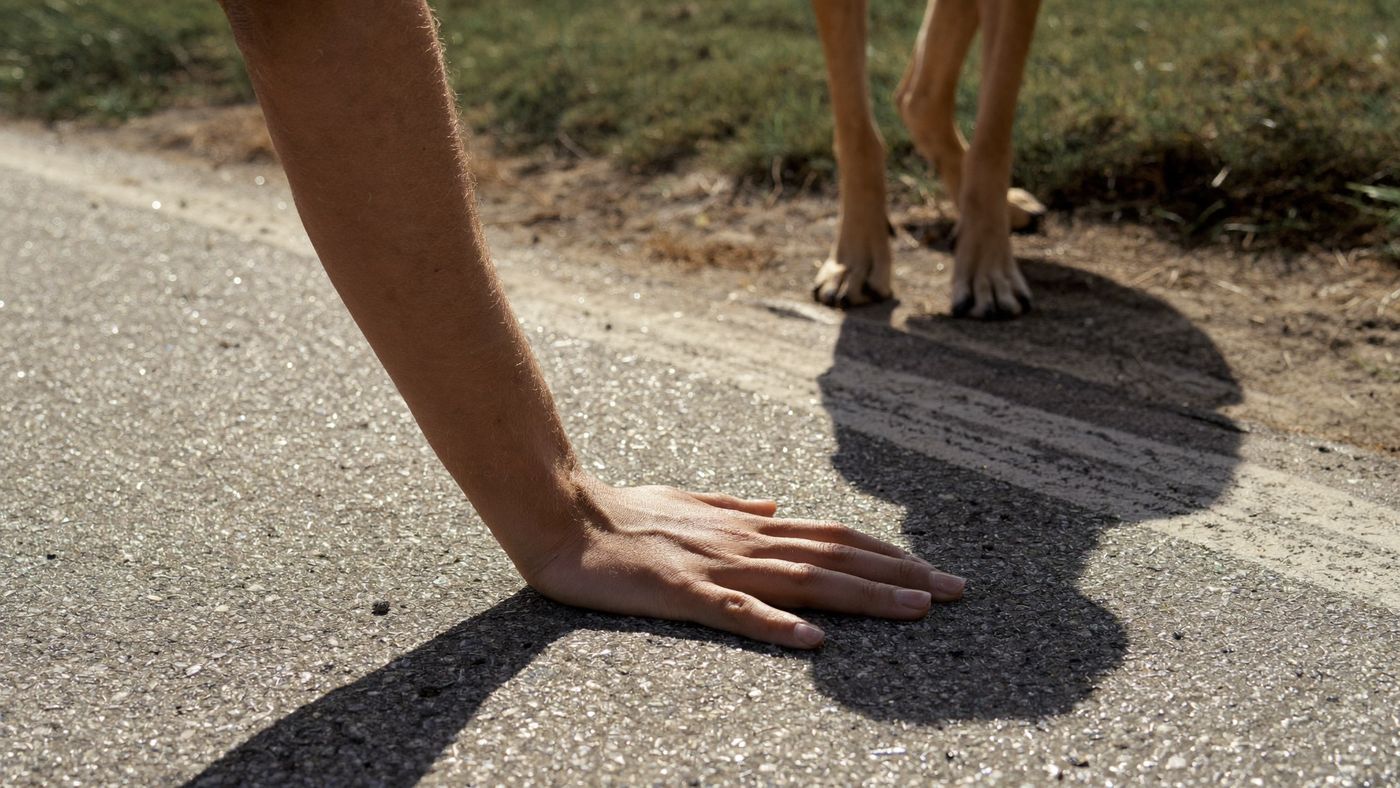
Vets Now, an emergency veterinary network, describes the check: hold the back of your hand on the pavement for seven seconds. If you can't keep it there comfortably, it's too hot for paws. The Kennel Club uses the same seven seconds, the RSPCA version cited by the British Veterinary Association says five, so call it a 5 to 7 second test and run it before every walk. The reason: Vets Now reports 77°F air can heat asphalt to 125°F, 87°F air to 143°F, and skin damage starts at 125°F in about a minute. The AVMA adds that grass may be the best option on extremely hot days.
The research: ordinary walks cause most heatstroke cases
A 2020 study in Scientific Reports (Hall, Carter, and O'Neill) followed 905,543 UK dogs; 14.18 percent of heat-related illness cases ended in death, about one in seven. The team's companion paper in Animals showed 74.2 percent of cases with a known trigger followed exercise, only 5.2 percent involved a hot car, and 67.5 percent of recorded exertional cases came after an ordinary walk. Dr. Dan O'Neill of the Royal Veterinary College: more than 10 times as many dogs need treatment for heat-related illness after exercise as after overheating in cars. The British Veterinary Association's rule from that evidence: "if in doubt, don't go out." Skipping one hot walk is not neglect. It is the published recommendation.
Breed and body: who carries the most risk
The same dataset ranked breeds: bulldogs had almost 14 times the odds of heat-related illness compared to Labrador retrievers, chow chows topped the list, French bulldogs and pugs sat well above average. Flat-faced breeds overall carried about twice the odds; overweight dogs and dogs past 12 ranked higher too. Cornell's Riney Canine Health Center explains why: short-muzzled breeds can't pant efficiently, which raises their risk in hot or humid weather. Humid is the operative word here. Cornell's Dr. Aly Cohen also advises carrying water and a collapsible bowl and easing off in early summer, before a dog acclimates.
What are the emergency signs of overheating?
The AVMA lists anxiousness, excessive panting, restlessness, drooling, unsteadiness, abnormal gum and tongue color, and collapse. Any of these means immediate veterinary help.
What do the early signs look like on a walk?
Dr. Carsten Bandt of the University of Florida names slowing down, resting more often, nonstop panting, and labored breathing. End the walk, find shade, offer water.
Is it really fine to skip a walk on a brutal day?
Yes. The British Veterinary Association's position is "if in doubt, don't go out." A yard break and indoor play cover a hot afternoon.
The University of Florida has seen this up close
UF's College of Veterinary Medicine documented Marnie, a 6-year-old Labrador who suffered heatstroke on a routine July 1 daytime walk, developed kidney failure, and survived thanks to hemodialysis at the UF Small Animal Hospital. Dr. Carsten Bandt's point: everyone knows about hot cars, far fewer think about routine outdoor activity in extreme heat. A separate UF study found Florida summer added 50 to 60 minutes to the time working dogs needed to cool back to normal after exertion, versus winter. The researchers' prescription: short sessions morning and evening, shade and ventilation in between.
How our walks follow these rules
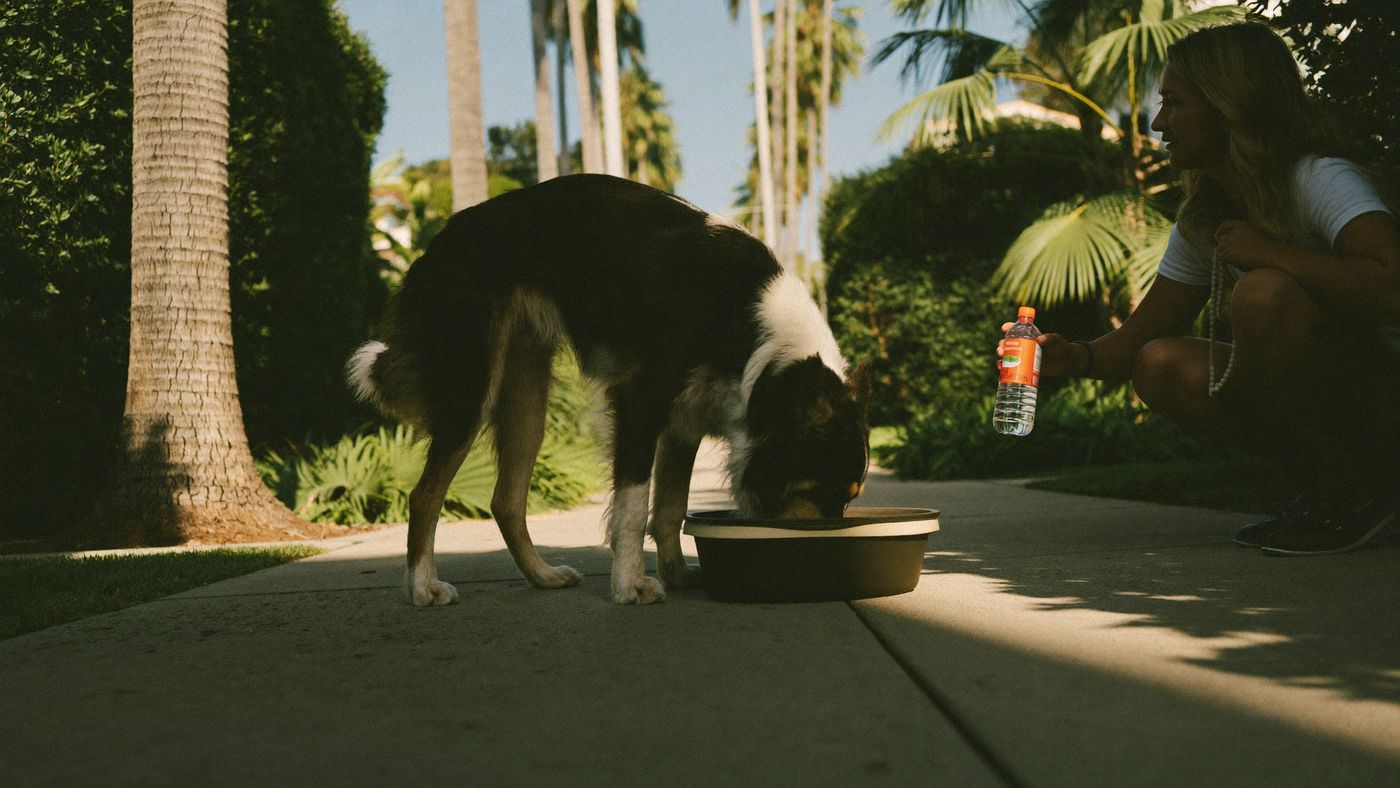
None of the guidance above is ours. Our Palm Beach County walks are just built around it. Morning and evening windows in summer. Water and a bowl on every walk. Routes that favor grass and shade over open asphalt. The hand test before heading out. Shorter loops with more breaks for flat-faced, overweight, and senior dogs. And when a day fails the "if in doubt" test, we reschedule instead of pushing through.
Discussion
Questions get answered here. Reading is open to everyone.
Every comment is read by an automatic check before it appears. Phone numbers, emails and offers of pet care go to a moderator instead of the page.
Sign in to join the discussion. Reading is open to everyone; posting, replying and voting need an account, which keeps the comments answerable to a real person. Sign in or create an account
- Nobody has said anything yet. If the article left a question open, ask it here and we will answer.