
Your dog seems off in South Florida: the first 30 minutes
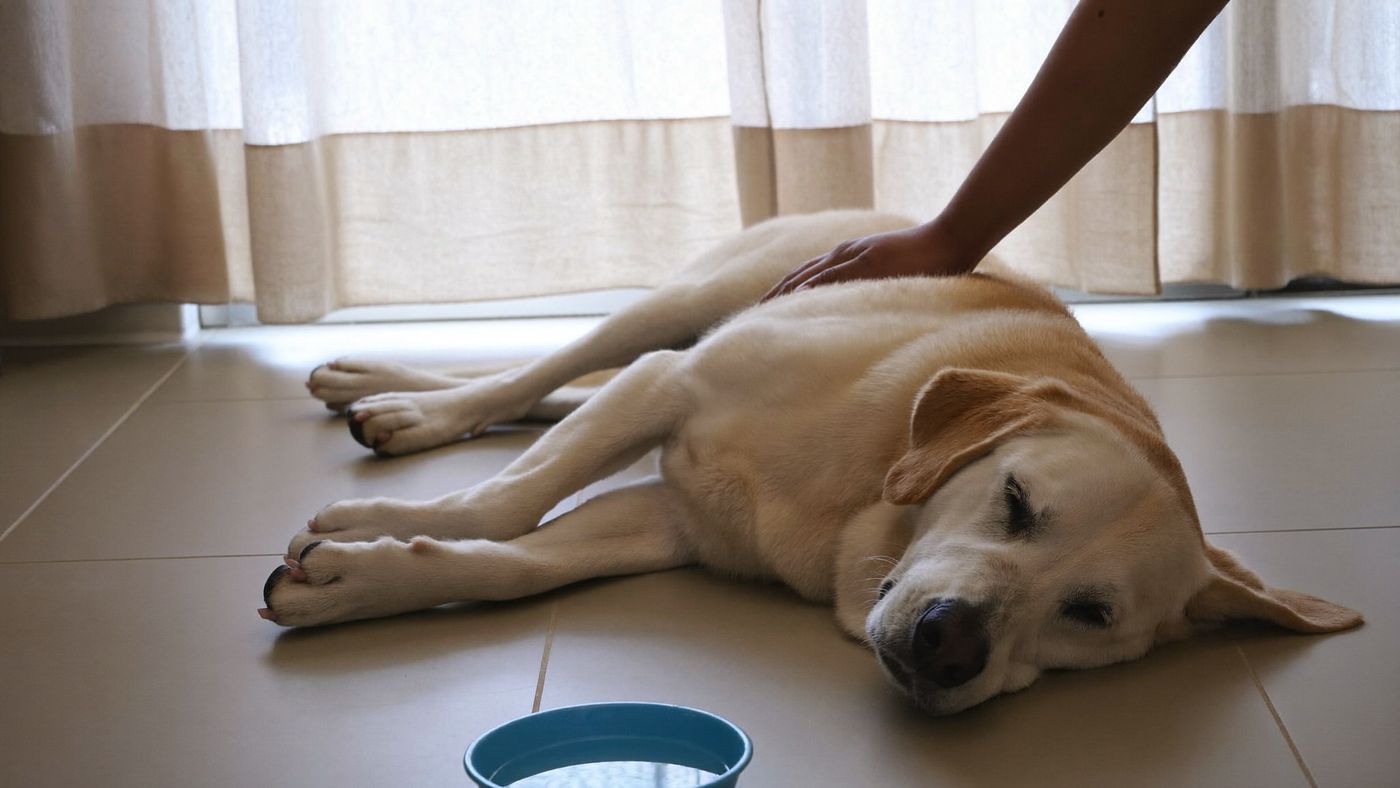
Your dog is not acting like your dog. Skipped dinner, hiding under the bed, pacing at 2 a.m. Here is a calm way to spend the next 30 minutes.
Minutes 0 to 10: check against the real emergency list
The AVMA publishes a list of 13 animal emergencies that need immediate veterinary care. The short version: bleeding that will not stop within five minutes; choking or labored breathing; blood in vomit, urine, or stool; inability to urinate or defecate; eye injuries; suspected poisoning (antifreeze, xylitol, chocolate, rodent bait); seizures or staggering; fractures or legs that will not move; obvious severe pain; heat stress; vomiting or diarrhea more than twice in 24 hours; refusing water for a full day; unconsciousness.
Two additions worth knowing. Pale, blue, or purple gums signal an oxygen or circulation crisis; emergency vets treat that as a go-now sign. A tight, swelling belly plus retching that brings nothing up is the classic picture of bloat (GDV), which the American College of Veterinary Surgeons calls rapidly progressive and life-threatening. Odds worsen sharply after six hours of signs.
Nothing matches but your gut still itches? The AVMA's bottom line: any concern about your pet's health "warrants, at minimum, a call to your veterinarian."
Minutes 10 to 20: know where you are driving
Save these before you need them:
- Calusa Veterinary Center: 6900 Congress Ave, Boca Raton, (561) 999-3000, a 24-hour ER inside the city with emergency doctors on site around the clock.
- Veterinary Emergency Group (VEG) Boynton Beach: 2246 N Congress Ave, (561) 752-3232, open 24/7, no appointment needed.
- VCA Palm Beach Veterinary Specialists: 3884 Forest Hill Blvd, West Palm Beach, (561) 434-5700, open 24 hours, the county's largest specialty and emergency hospital.
Call while someone else drives so the staff can prep for your arrival.
If poisoning is on the table
Two hotlines run around the clock with veterinary toxicology staff:
- ASPCA Animal Poison Control Center: (888) 426-4435, open 24/7. A consultation fee applies; check the current fee on the official site.
- Pet Poison Helpline: (855) 764-7661, also 24/7. $89 per incident, follow-up calls on the same case included.
Yes, they charge. A call still beats guessing.
Can I leave my dog in the car for five minutes with the windows cracked?
No. Per AVMA, a cabin climbs about 19 to 20°F in ten minutes and 40°F or more in an hour, and cracked windows make no difference.
What temperature counts as [heatstroke](/blog/florida-heat/what-florida-vets-say-summer-dog-walking)?
Cornell's veterinary college puts normal at 100.5 to 102.5°F. Heatstroke is when a dog can no longer regulate and climbs to 105°F or higher.
My dog mouthed a toad but seems fine now. Skip the vet?
No. UF/IFAS warns that rinsing alone is not enough and an untreated dog can die. Rinse, then go.
Are these hotlines a substitute for the ER?
No, they triage. With seizures, collapse, or labored breathing, drive first and call from the road.
The three South Florida specials
Heat. Signs per Cornell: heavy panting, drooling, vomiting, bloody diarrhea, weakness, confusion, collapse. Start cooling immediately: wet the coat with cool water and drive with the AC blowing on the dog.
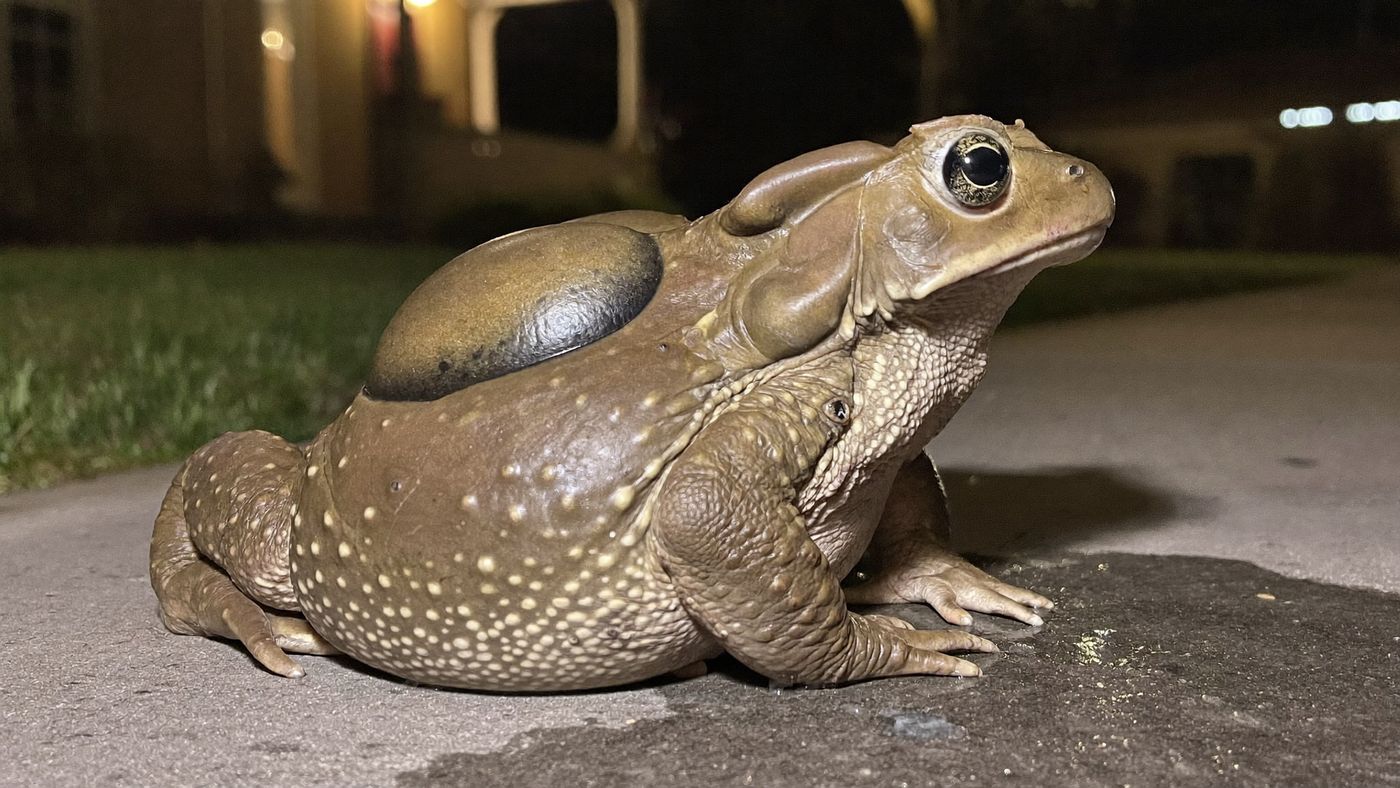
Cane toads. FWC warns a dog can get sick and die in as little as 15 minutes without treatment. Watch for frantic behavior, brick-red gums, foaming, seizures. The FWC protocol: wipe the gums and tongue with a towel, then rinse the mouth with a hose for about ten minutes, aiming water forward and out, never down the throat (a sink sprayer works for small dogs). Then straight to a vet. Toads work nights and love outdoor kibble, so watch dark-hour potty breaks and bring food bowls in.
Water. During red tide, keep dogs off dead fish and beach foam, and wash them after any swim; they lick their coats. Blue-green algae blooms are the same story: no swimming, no drinking, wash after contact. The Florida Department of Health notes animals show toxin effects before humans do. Bloom questions go to the DEP hotline, 1-855-305-3903.
A second pair of eyes helps
Half the AVMA list depends on someone counting: two vomiting episodes in 24 hours, a day without water. A midday drop-in means someone trained in these protocols sees your dog while you are at work. Our sitters know the toad rinse, the heat signs, and the nearest ER. Not a substitute for a vet, just a way to catch minute zero sooner.
Discussion
Questions get answered here. Reading is open to everyone.
Every comment is read by an automatic check before it appears. Phone numbers, emails and offers of pet care go to a moderator instead of the page.
Sign in to join the discussion. Reading is open to everyone; posting, replying and voting need an account, which keeps the comments answerable to a real person. Sign in or create an account
- Nobody has said anything yet. If the article left a question open, ask it here and we will answer.